ESP32 board spec sheet
Every ESP32 board on hand, at a glance — generated from the compatibility matrix, so these values cannot drift from the source of truth.
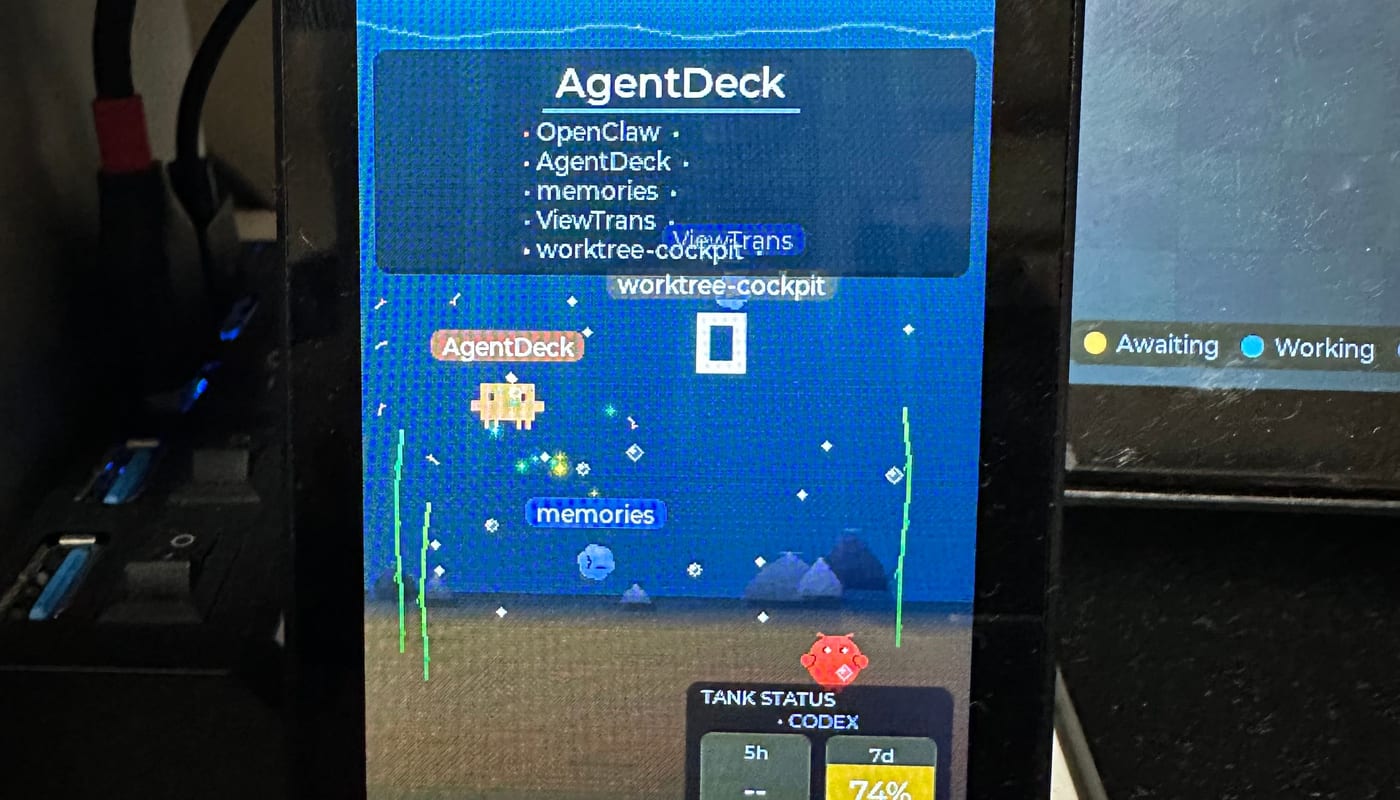
JC8012P4A1C
Shipping
ips_10 · ips10
PeripheralsFront MIPI-CSI 1080p camera (sensor unconfirmed) · ESP32-C6 Wi-Fi coprocessor · ES8311 audio codec (0x18) + speaker (playback verified) · 2× mic (vendor spec, unused)
SoCESP32-P4NRW32 + C6
Memory16 MB · 32 MB
Display10.1″ IPS LCD · 800×1280
ControllerJD9365 MIPI-DSI
InputGSL3680 touch
Host linkCH340 USB serial
OTA slot6 MB
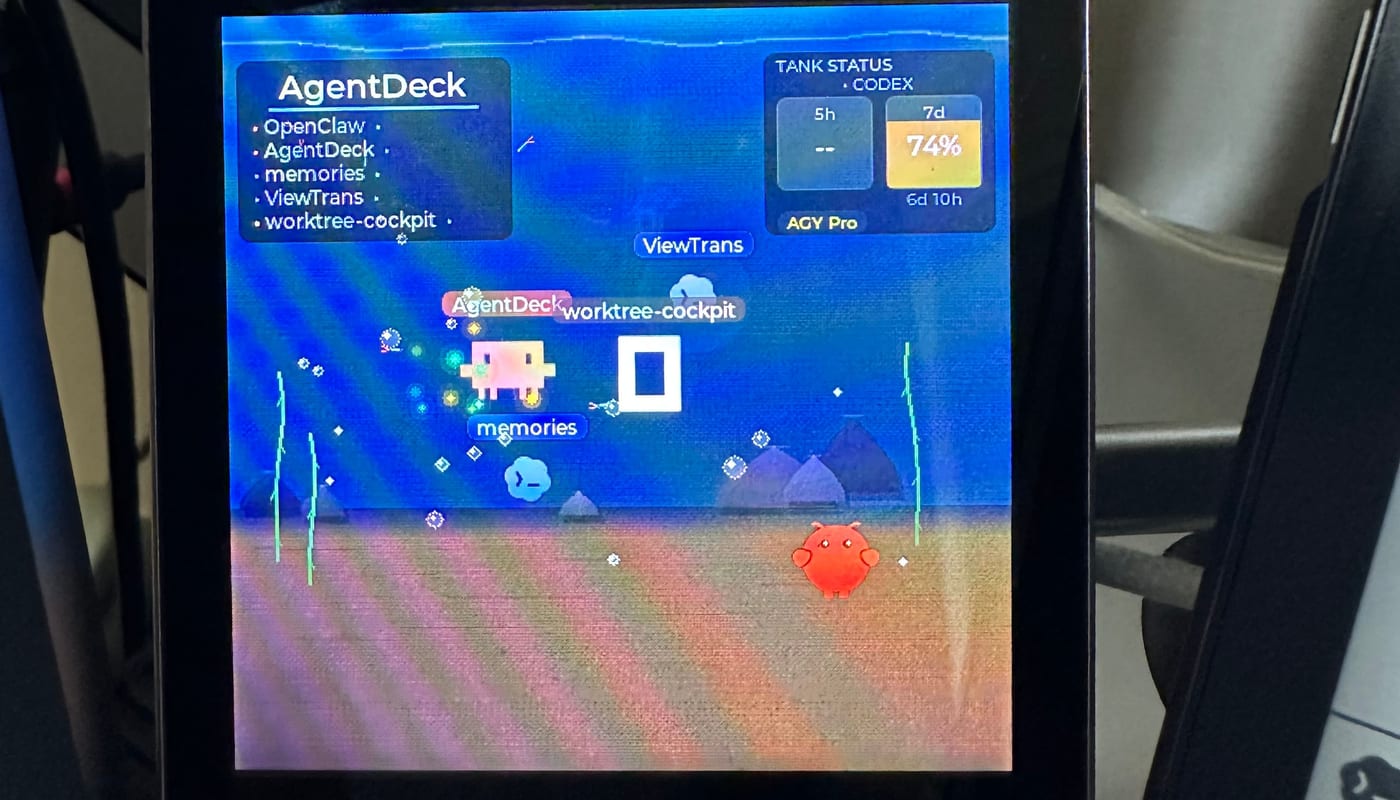
ESP32-S3-4848S040
Shipping
86box · box_86
SoCESP32-S3
Memory16 MB · 8 MB
Display4.0″ IPS LCD · 480×480
ControllerST7701 RGB
InputGT911 touch
Host linkCH340 USB serial
OTA slot7.75 MB
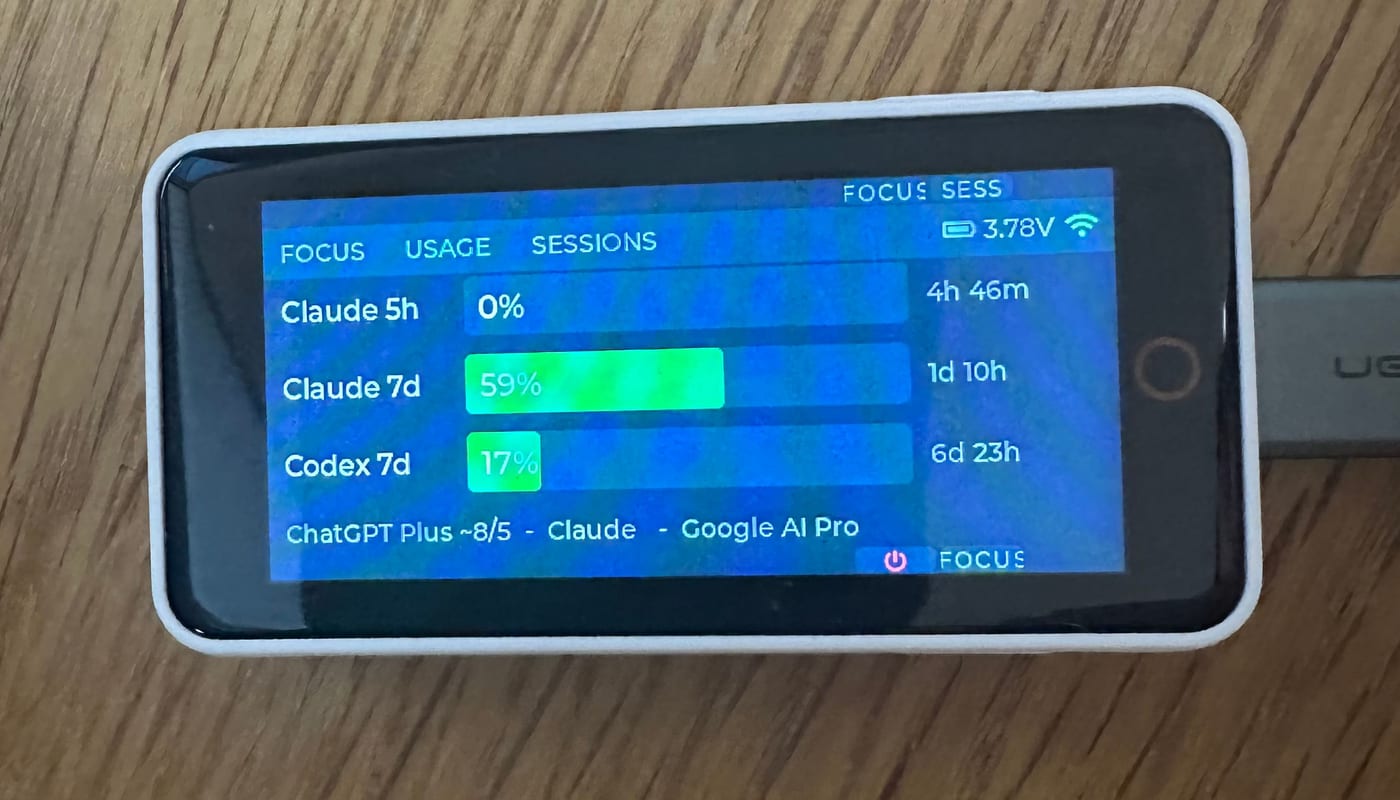
JC3248W535
Shipping
ips_35 · ips35
PeripheralsFAT data partition
SoCESP32-S3
Memory16 MB · 8 MB
Display3.5″ IPS LCD · 480×320
ControllerAXS15231B QSPI
InputAXS15231B touch (0x3B)
Host linkNative USB JTAG
OTA slot3.5 MB
LilyGO T-Display-S3-Pro V1.1 · GC0308
Shipping
t_display_pro · t_display_pro
PeripheralsGC0308 camera · SY6970 PMU (0x6A) · LTR-553ALS (0x23) · microSD · 470 mAh
SoCESP32-S3R8
Memory16 MB · 8 MB
Display2.33″ IPS LCD · 480×222
ControllerST7796U SPI
InputCST226SE touch (0x5A) · 4 physical buttons (BOOT + split rocker are app-readable; RST is hard reset)
Host linkNative USB JTAG
OTA slot6 MB
LilyGO T-Display-S3-Pro V1.1 · no camera
Shipping
t_display_pro · t_display_pro
PeripheralsSY6970 PMU (0x6A) · LTR-553ALS (0x23) · microSD · 470 mAh · camera POGO header
SoCESP32-S3R8
Memory16 MB · 8 MB
Display2.33″ IPS LCD · 480×222
ControllerST7796U SPI
InputCST226SE touch (0x5A) · 4 physical buttons (BOOT + split rocker are app-readable; RST is hard reset)
Host linkNative USB JTAG
OTA slot6 MB
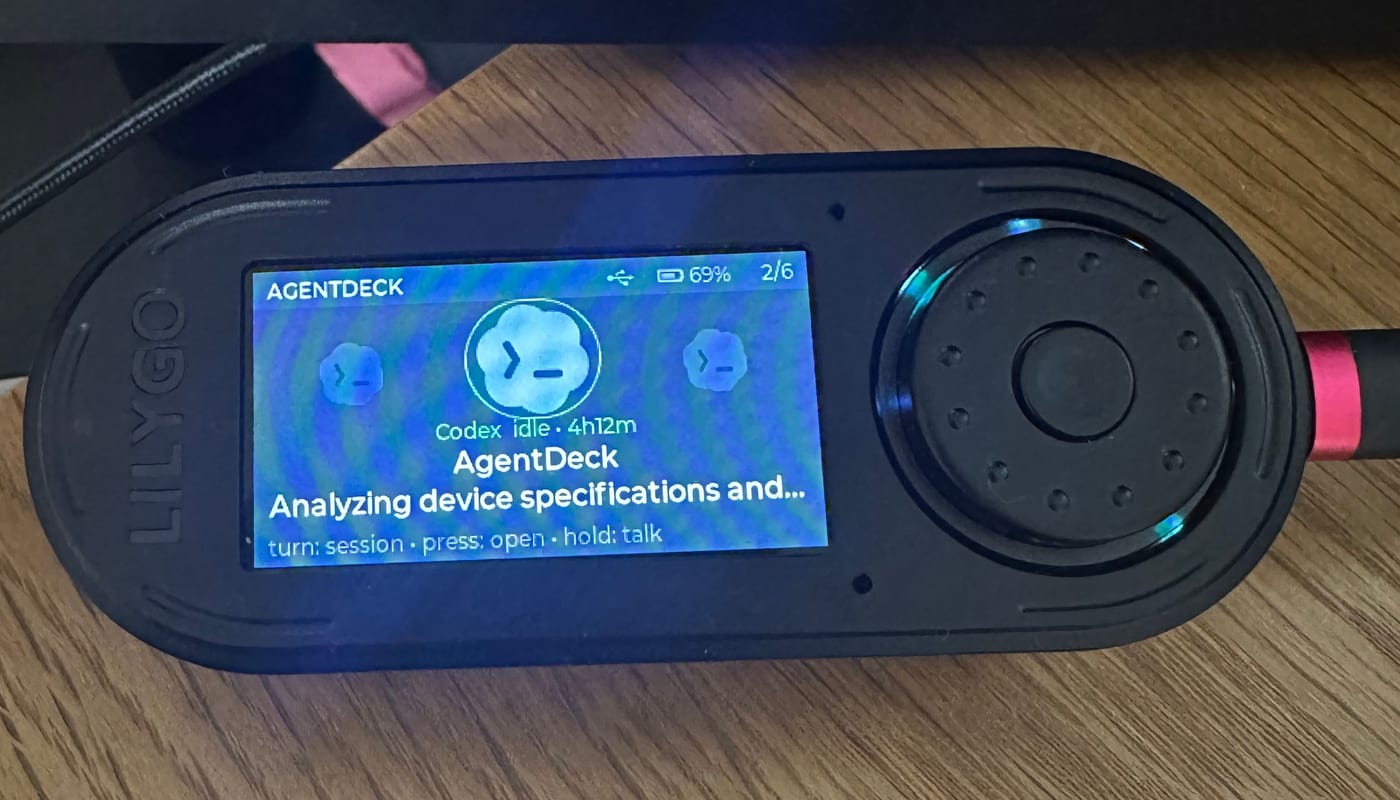
LilyGO T-Embed CC1101
Shipping
t_embed · t_embed
PeripheralsCC1101 sub-GHz · PN532 NFC (0x24) · IR TX/RX · 8× WS2812 · mic + speaker · BQ25896 (0x6B) · BQ27220 (0x55) · microSD · 1300 mAh
SoCESP32-S3-WROOM-1
Memory16 MB · 8 MB
Display1.9″ IPS LCD · 320×170
ControllerST7789 SPI
InputRotary encoder · button
Host linkNative USB JTAG
OTA slot6 MB
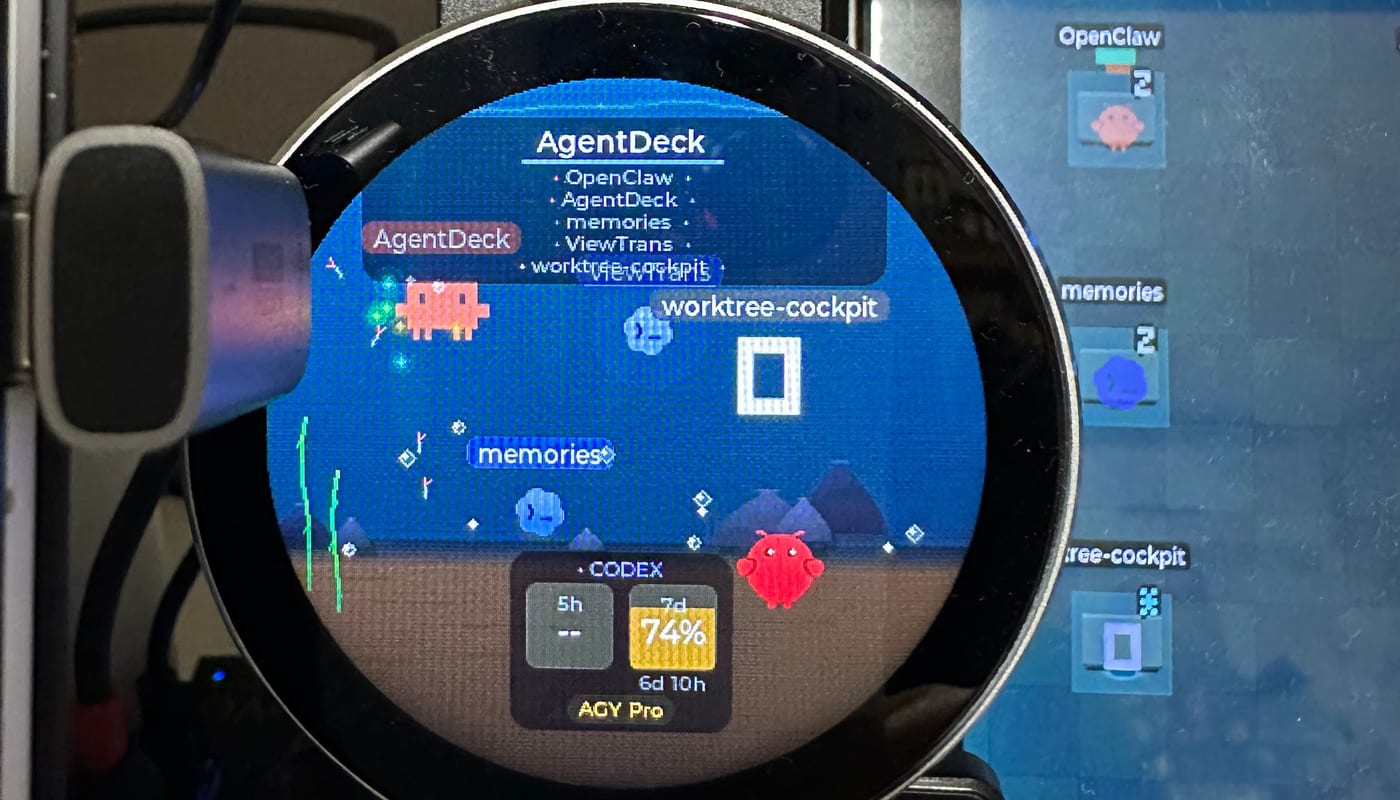
JC3636W518
Shipping
round_amoled · amoled
SoCESP32-S3
Memory8 MB · 8 MB
Display1.8″ round AMOLED · 360×360
ControllerST77916 QSPI
InputCST816S touch
Host linkNative USB JTAG
OTA slot3 MB
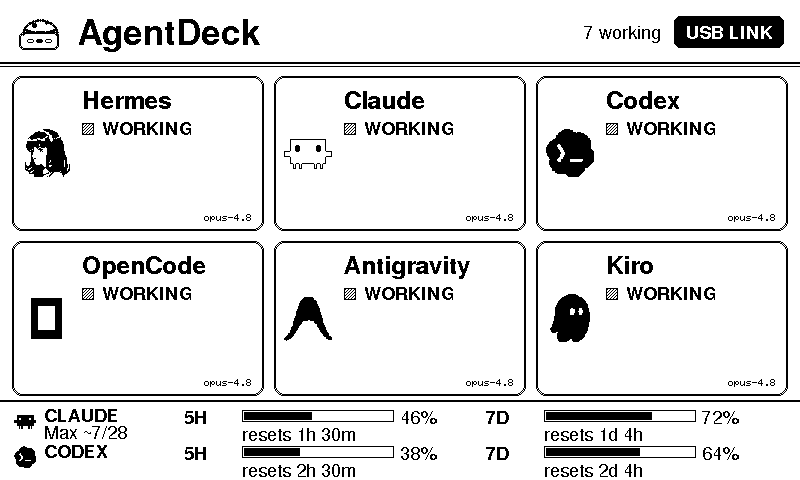
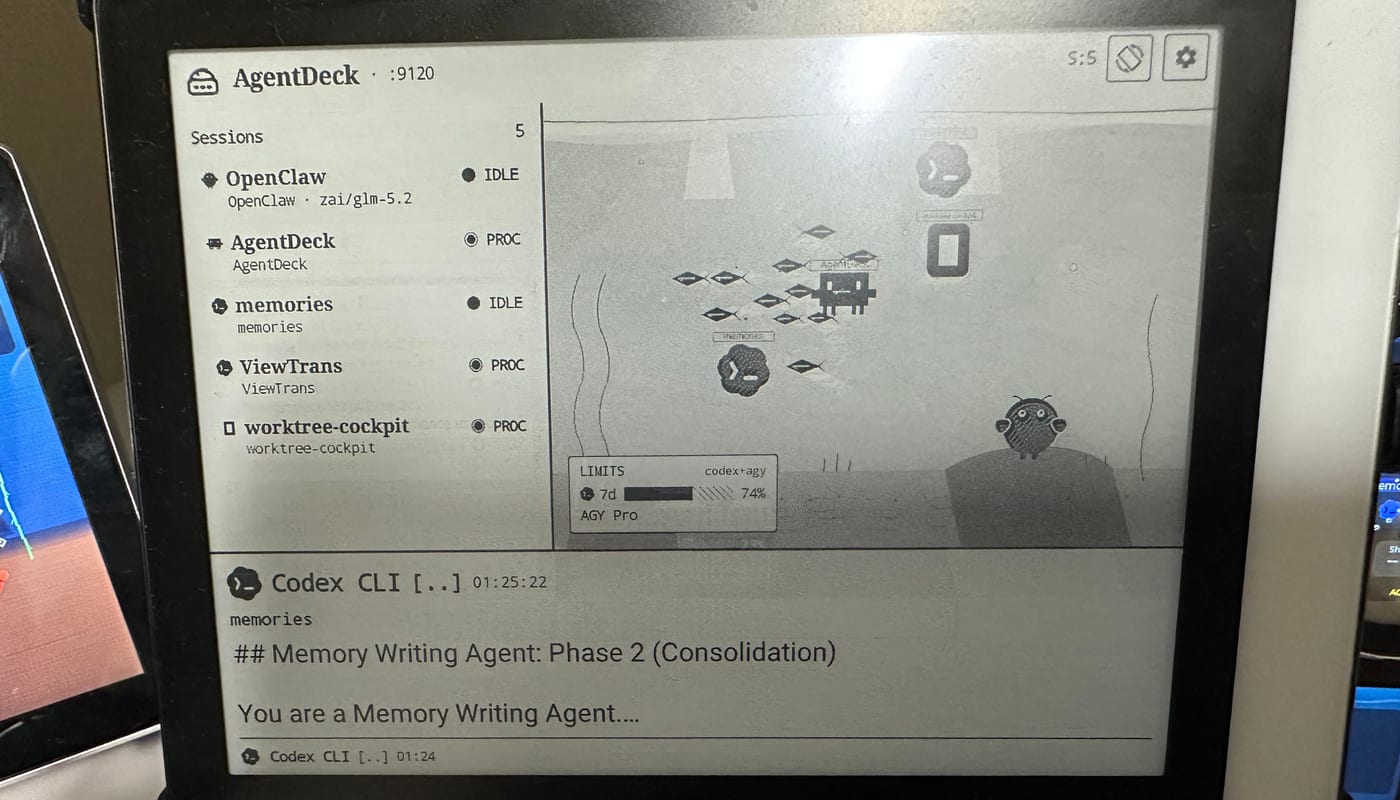
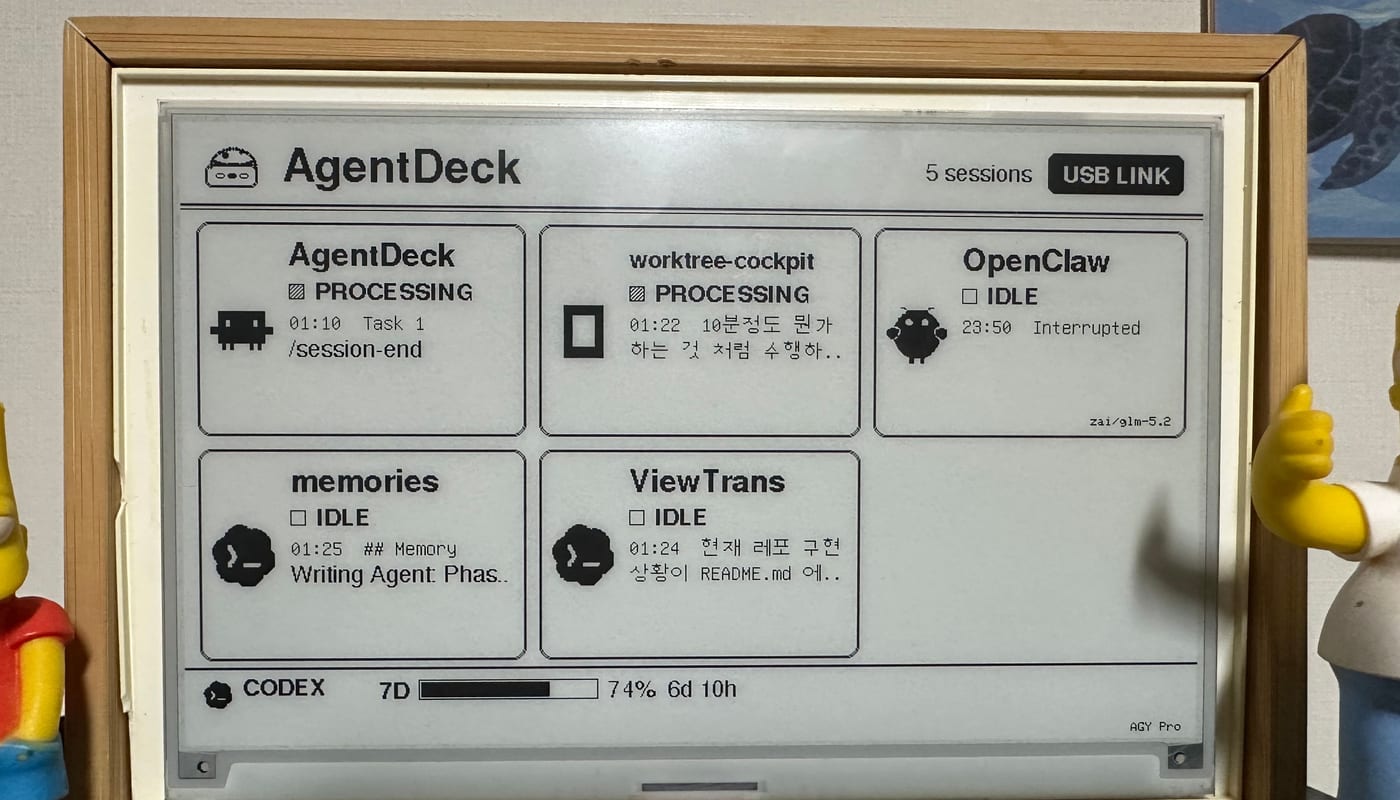
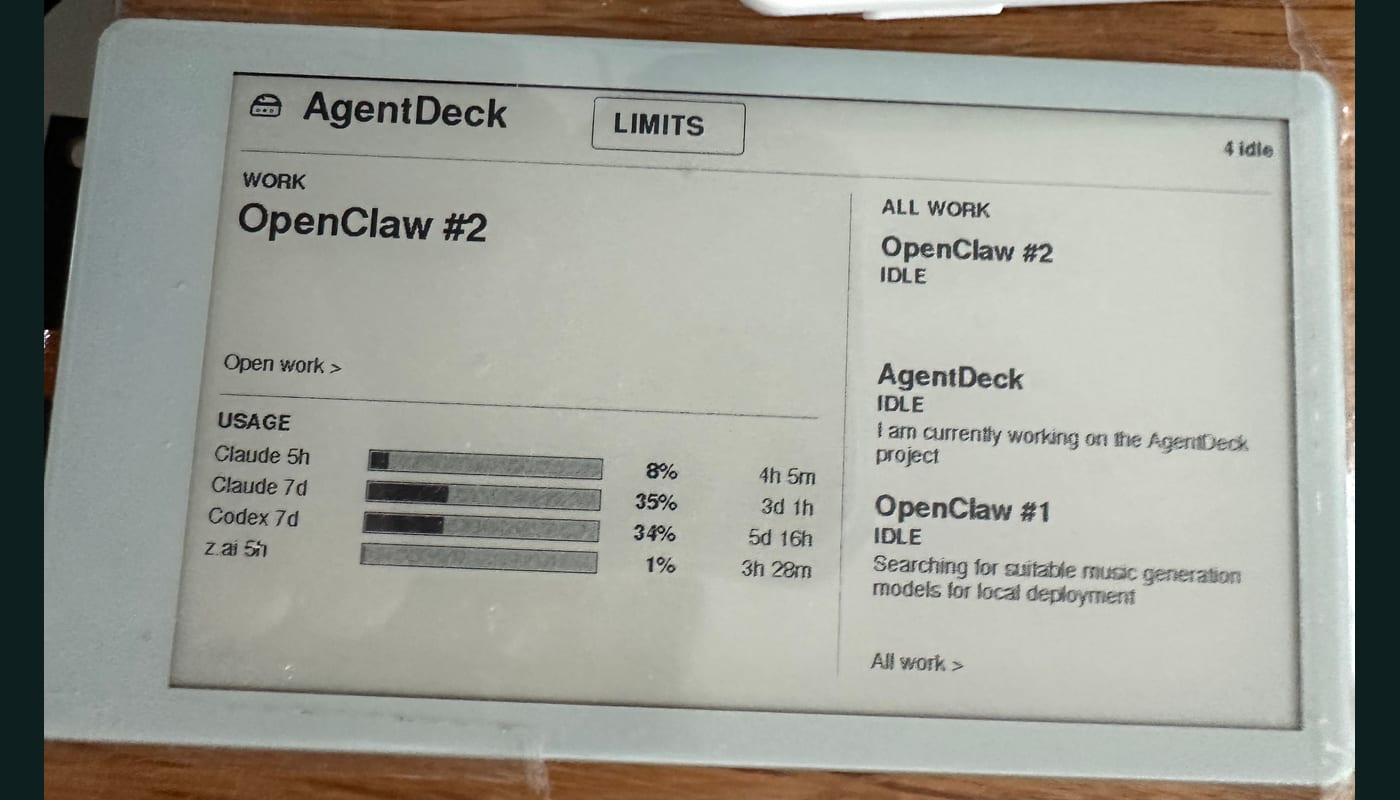
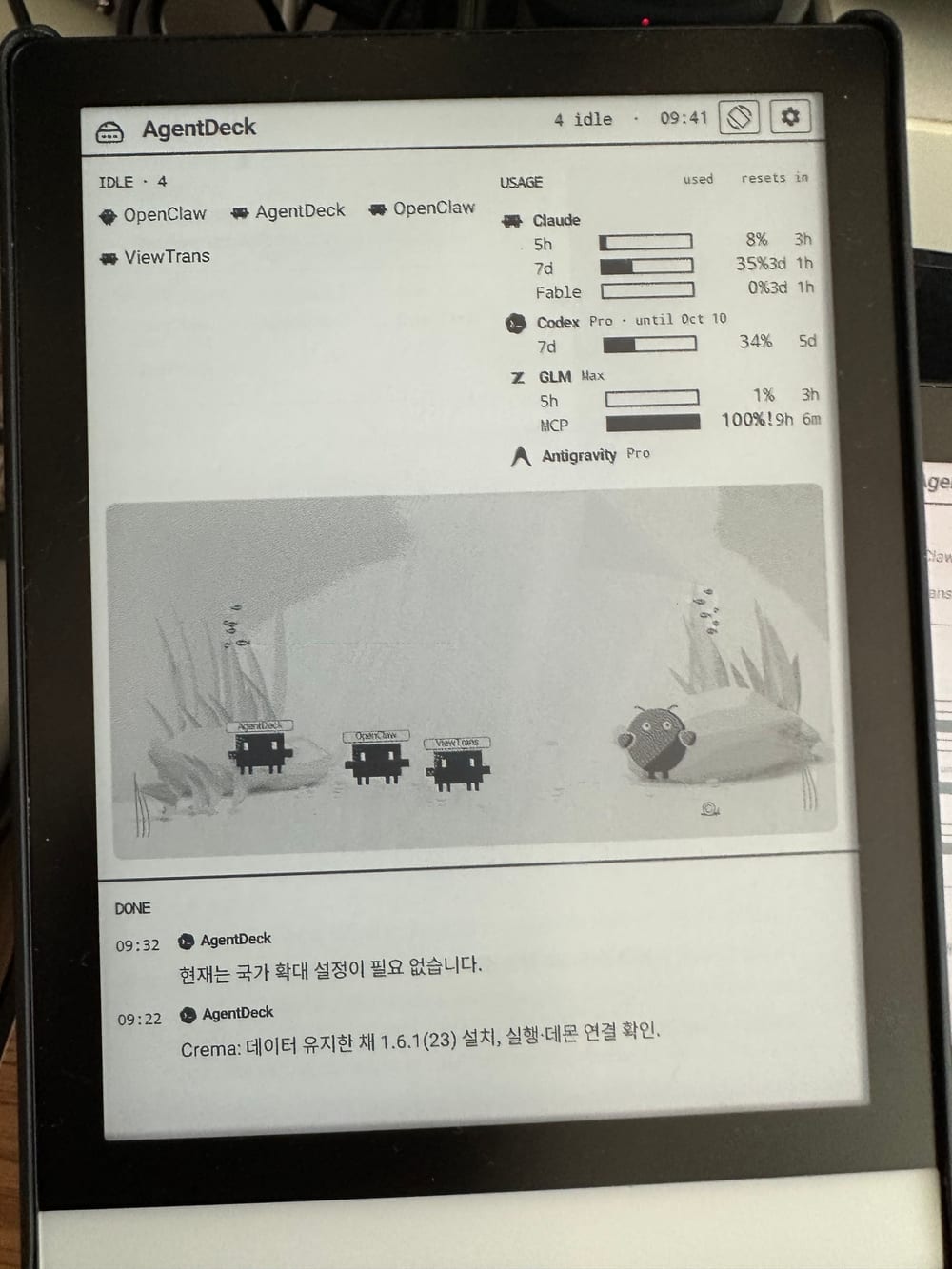
Seeed TRMNL 7.5 DIY Kit
Shipping
trmnl_75 · trmnl_75
PeripheralsUSB-powered only
SoCXIAO ESP32-S3 Plus
Memory8 MB · 8 MB
Display7.5″ e-ink 1-bit · 800×480
ControllerUC8179
Input—
Host linkNative USB CDC
OTA slot3.19 MB
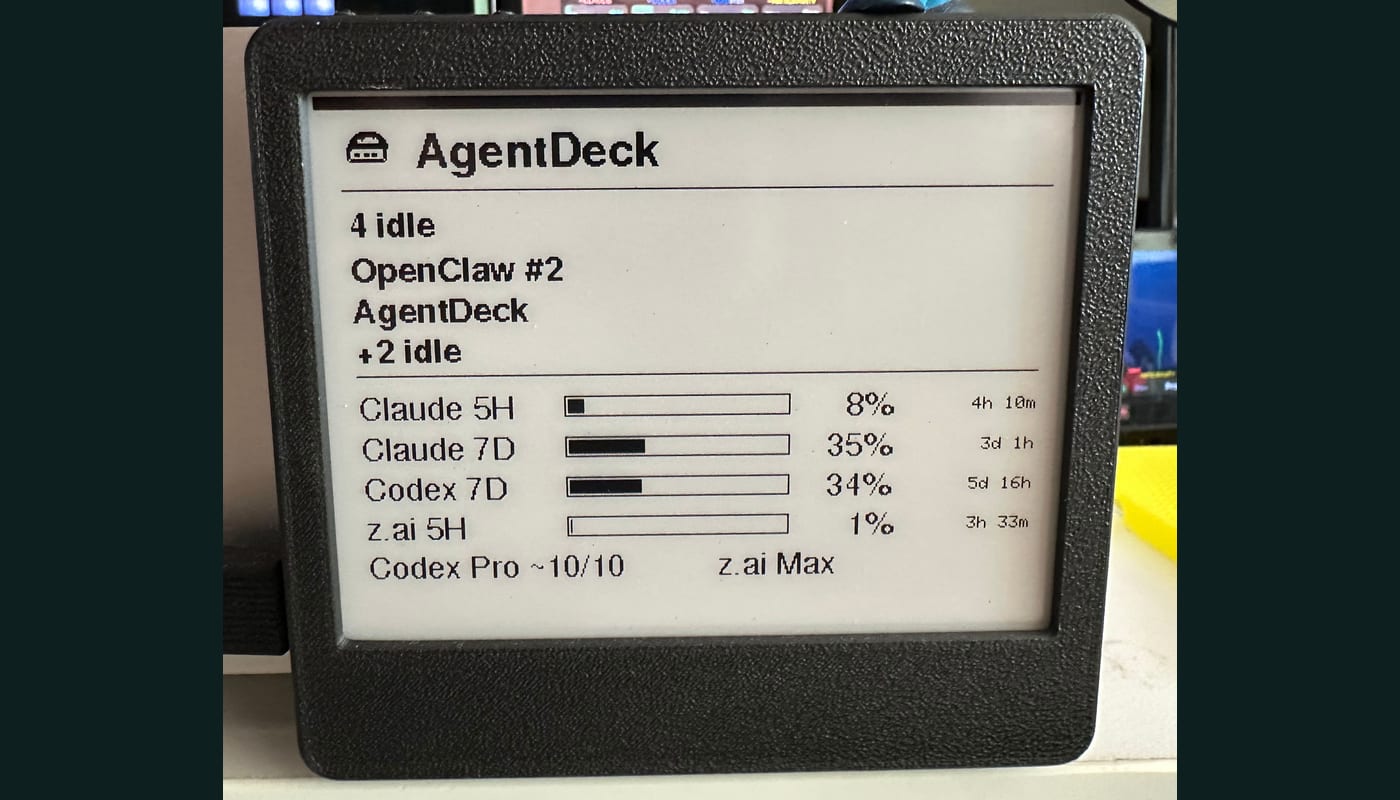
RockBase NM-EPD-420 standard SKU
Shipping
nm_epd_420 · nm_epd_420
PeripheralsES8311 codec · mic · speaker · Li-ion path
SoCESP32-S3-WROOM-1-N16R8
Memory16 MB · 8 MB
Display4.2″ tri-color e-ink · 400×300 landscape
ControllerGDEY042Z98
InputBOOT GPIO0 · USER GPIO45 · no touchscreen controller
Host linkNative USB JTAG
OTA slotSingle 3 MB app
LilyGo T5 ePaper S3 V2.4
Shipping
lilygo_epd47 · lilygo_epd47
PeripheralsPCF8563 RTC · microSD · Li-Po JST-PH 2.0
SoCESP32-S3-WROOM-1-N16R8
Memory16 MB · 8 MB
Display4.7″ grayscale e-ink · 960×540 landscape
ControllerED047TC2 parallel/I2S
InputGT911 two-point touch at 0x5D, attached by an 8-pin 0.5 mm FPC to header P6 (VDD3V3/GND/SDA18/SCL17/INT47/T_RST) · User GPIO21 · BOOT GPIO0 · RST
Host linkNative USB JTAG
OTA slot6.25 MB
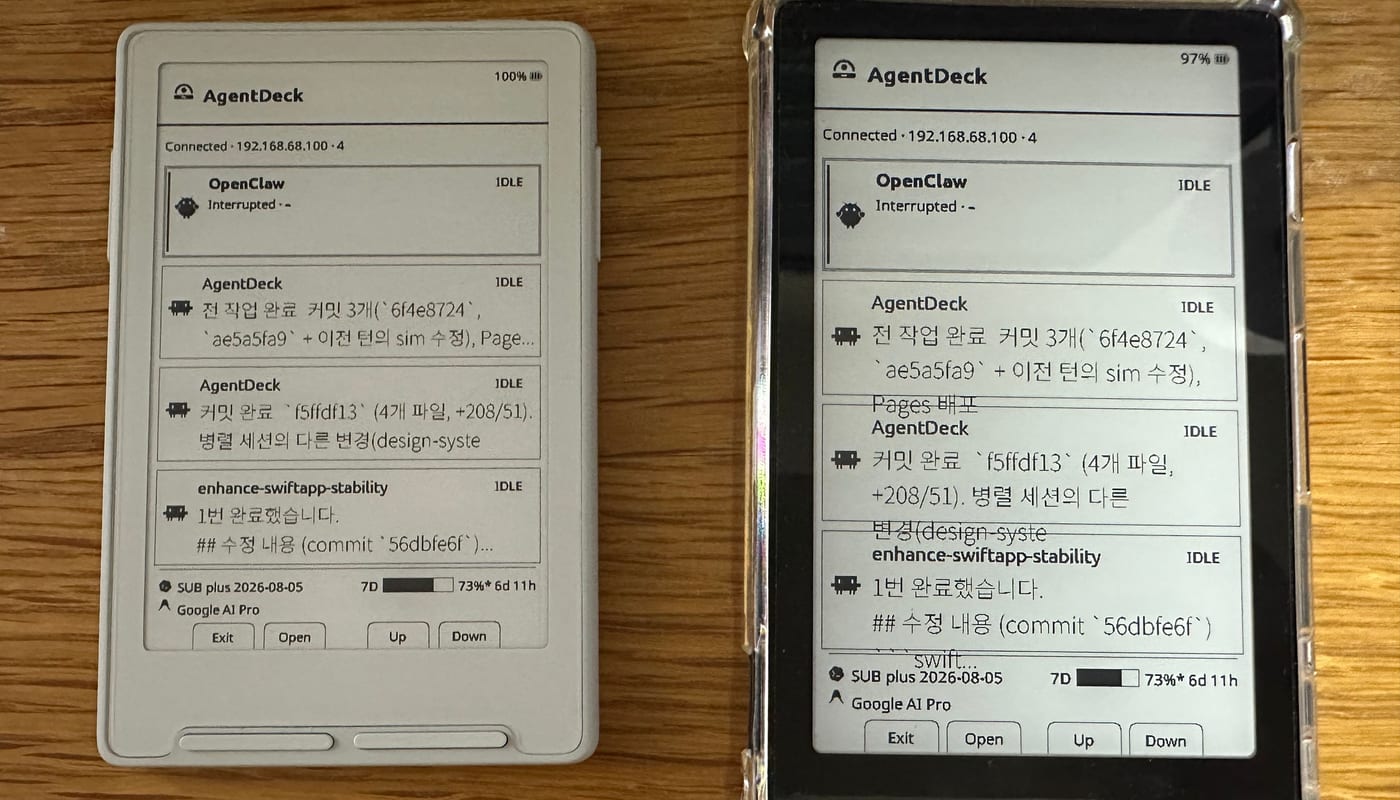
XTeink X4
Community fork
xteink_x4 · external fork
PeripheralsmicroSD · 650 mAh
SoCESP32-C3
Memory16 MB · none
Display4.26″ e-ink · 480×800 portrait
ControllerSSD1677
InputPage buttons
Host linkWi-Fi only
OTA slotWi-Fi OTA · SD update.bin
XTeink X3
Community fork
xteink_x3 · external fork
PeripheralsI2C IMU (runtime model detect) · NFC · microSD · battery
SoCESP32-C3
Memory16 MB · none
Display3.7″ e-ink · 528×792 portrait
Controller—
InputPage buttons
Host linkWi-Fi only
OTA slotWi-Fi OTA · SD update.bin
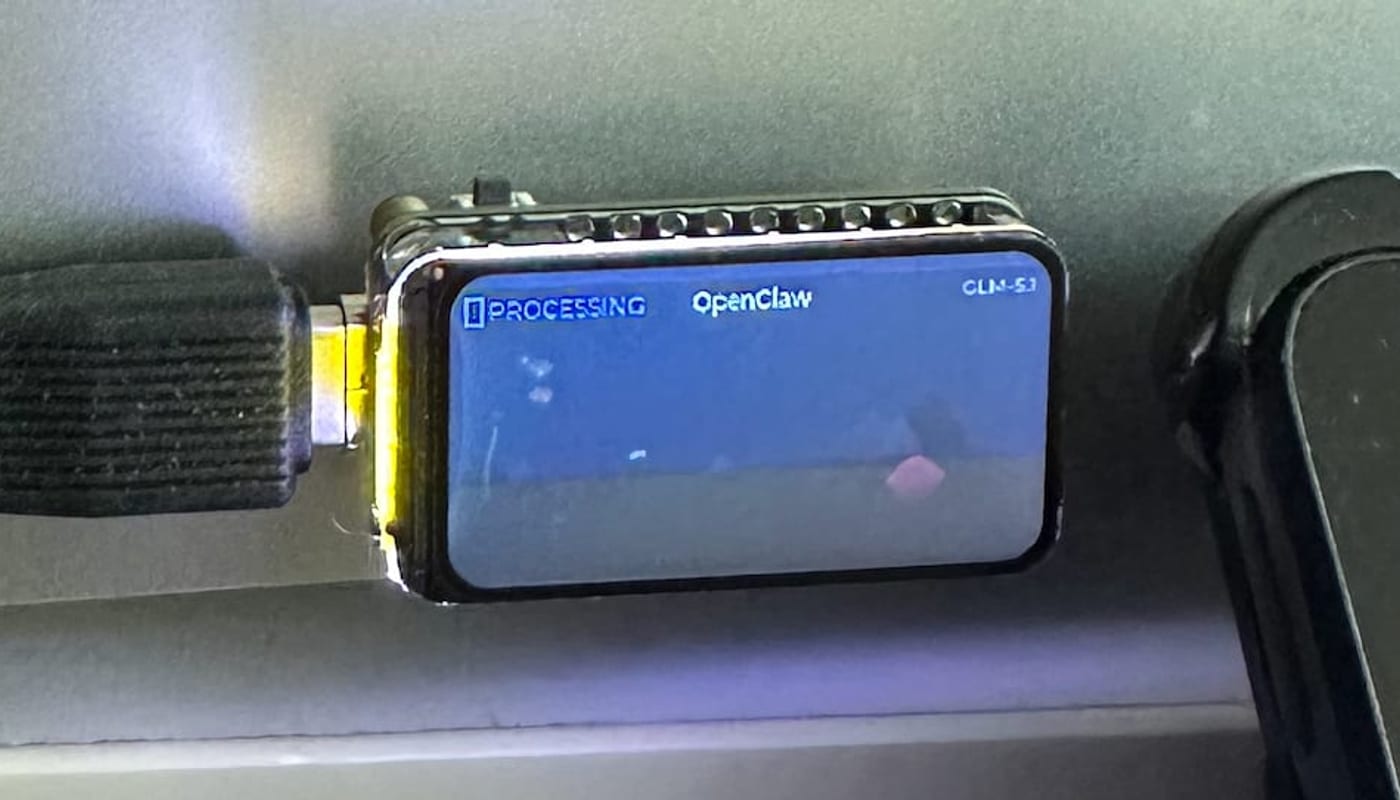
Waveshare ESP32-C6-LCD-1.47
Shipping
esp32_c6_147 · esp32_c6_147
SoCESP32-C6
Memory4 MB · none
Display1.47″ IPS LCD · 172×320
ControllerST7789
Input—
Host linkNative USB CDC
OTA slotSingle app
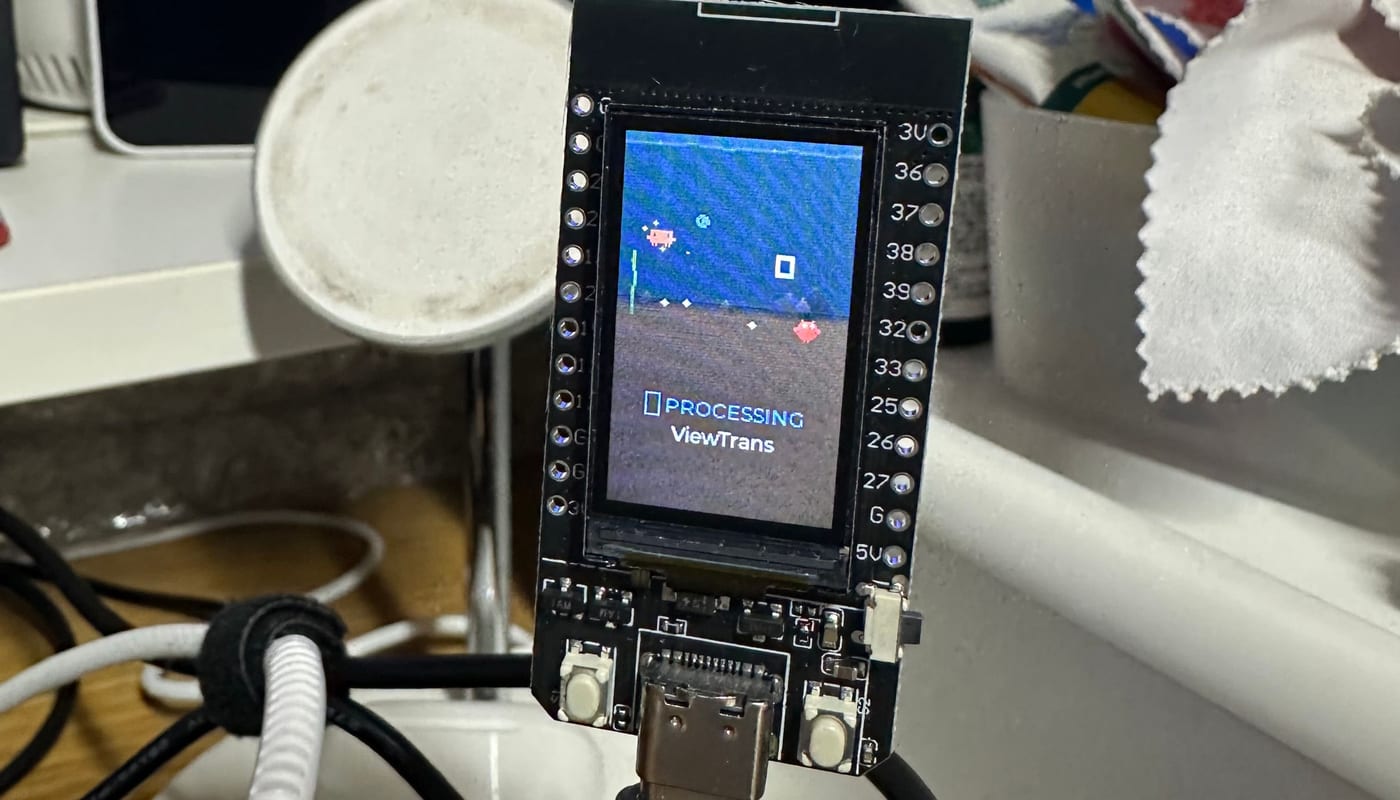
LilyGO T-Display
Shipping
ttgo_t_display · ttgo
SoCESP32 classic
Memory16 MB · none
Display1.14″ IPS LCD · 135×240
ControllerST7789 SPI
Input2 buttons
Host linkCH340 USB serial
OTA slot6 MB
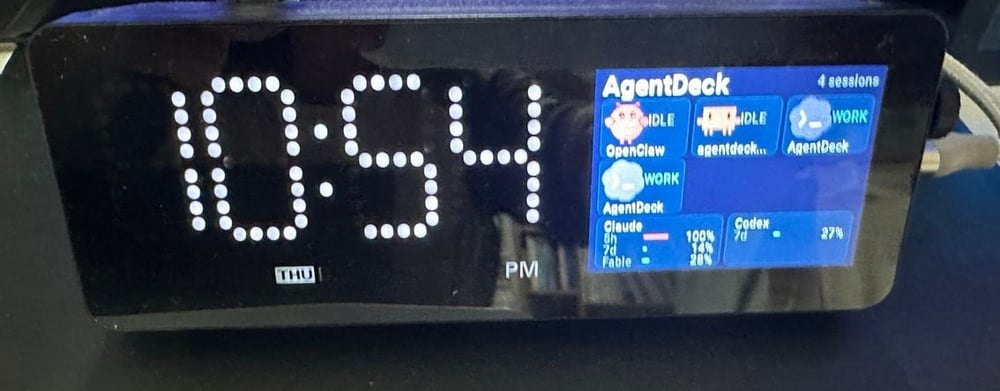
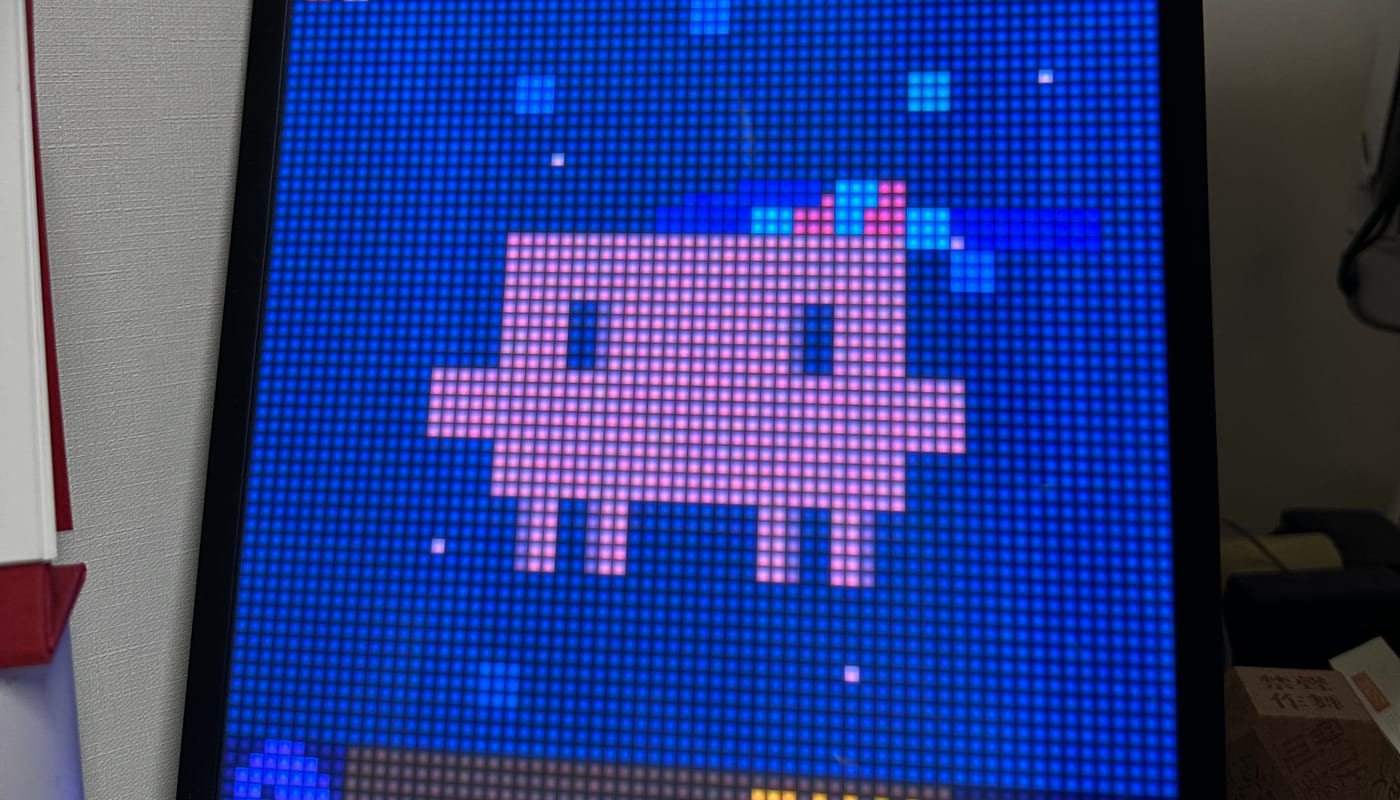
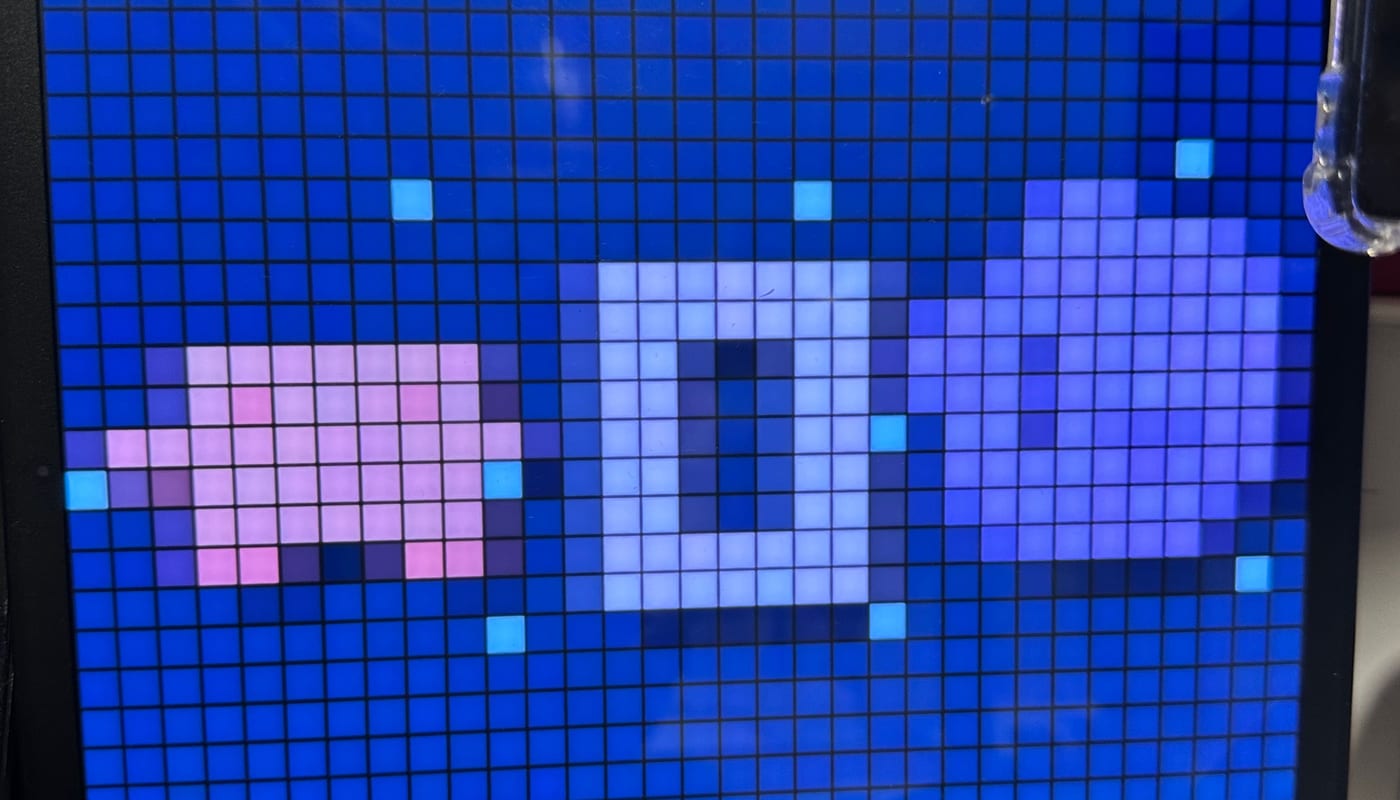
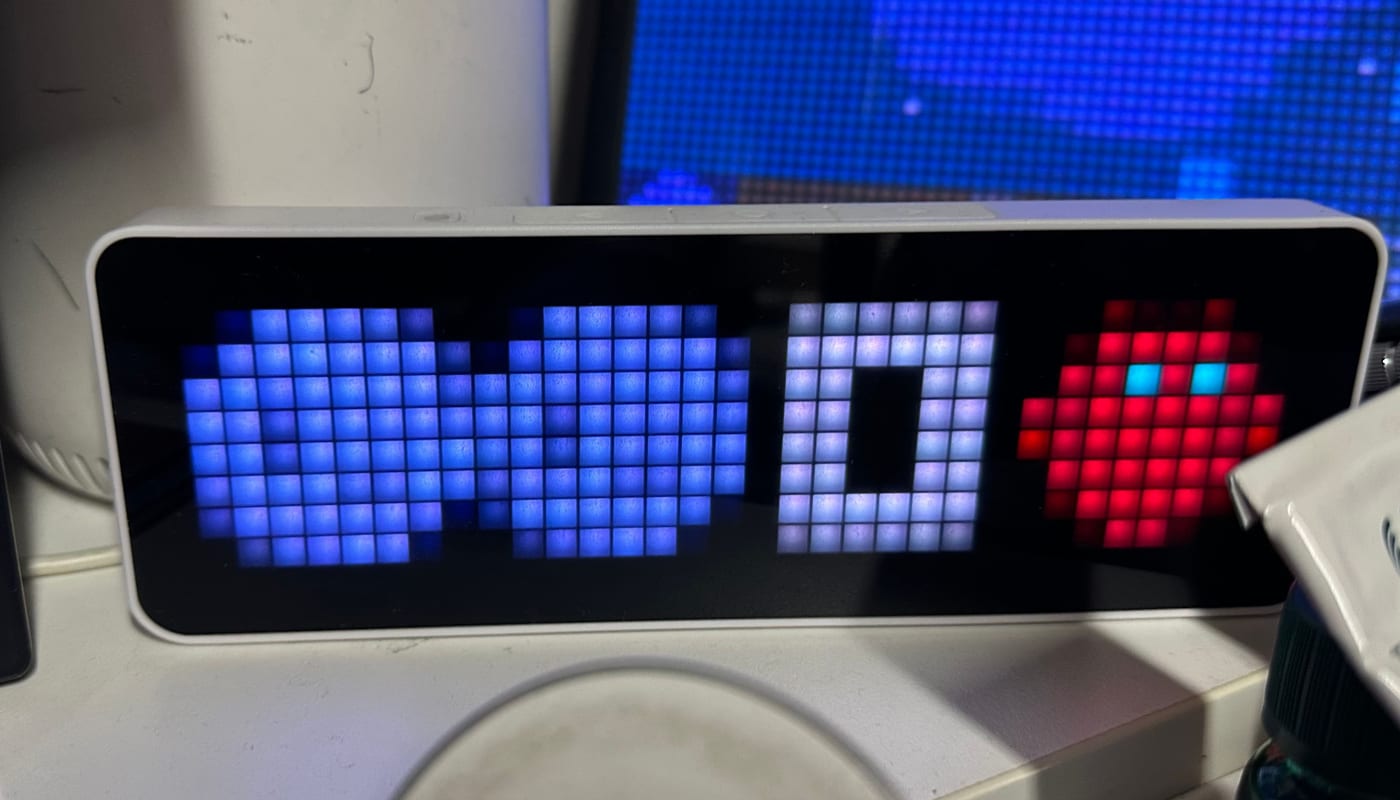
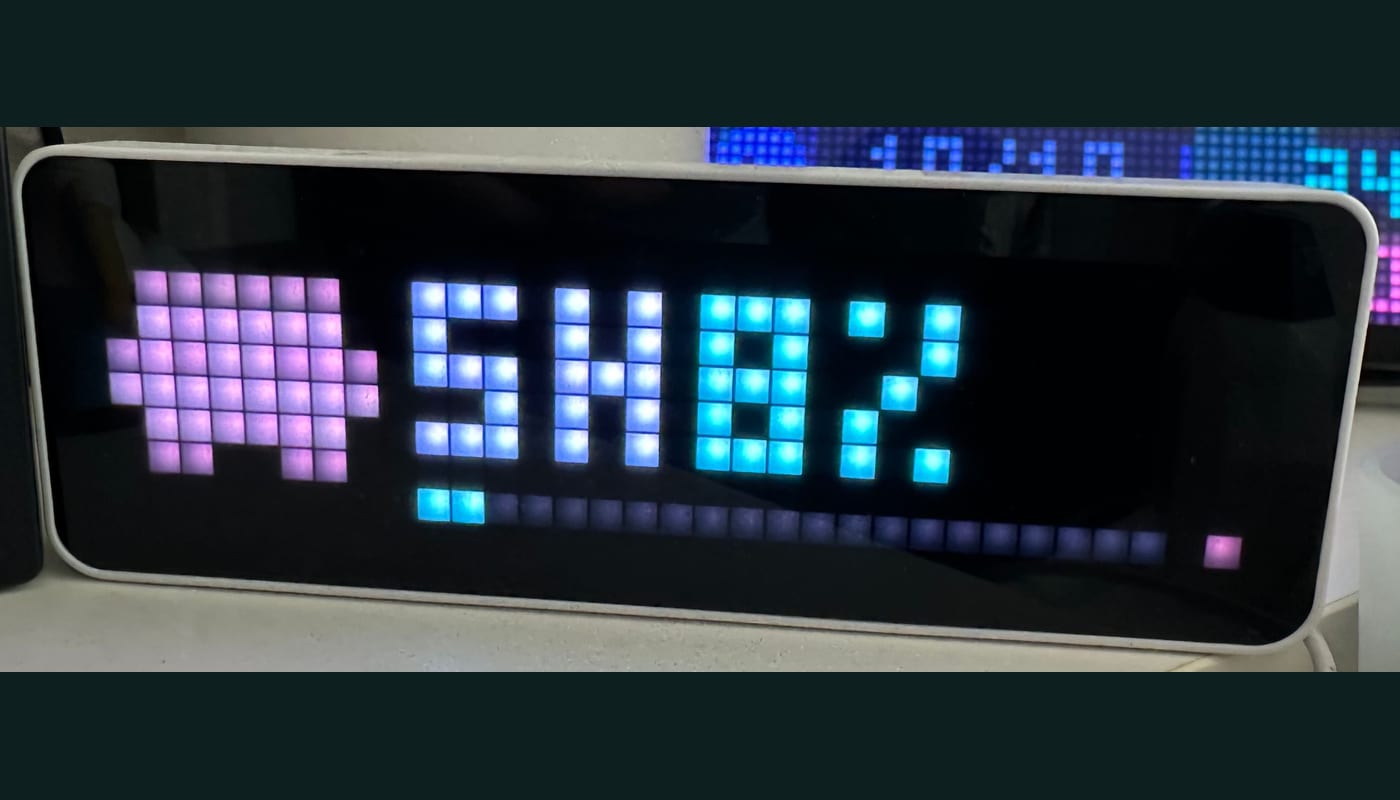
Ulanzi TC001
Shipping
ulanzi_tc001 · led8x32
PeripheralsBuzzer on GPIO 15 (silenced at boot)
SoCESP32 classic
Memory8 MB · none
DisplayWS2812B LED matrix · 32×8
ControllerWS2812B
Input3 buttons
Host linkCH340 USB serial
OTA slot3 MB